, Posted on Friday March 8, 2024
10 Best Heritage Sites in Lincolnshire You Must Visit
Table of contents
6 minutes read time
Quick Summary
Discover some of the best heritage sites in Lincolnshire, from Lincoln Cathedral and Lincoln Castle to Stamford’s Georgian streets, Boston’s maritime past and Sir Isaac Newton’s family home near Grantham. Explore Louth’s market-town character, Gainsborough’s medieval manor house and four more historic destinations, each revealing a different chapter of the county’s story. With Nettleton Park and Lakeside Park nearby, you are well placed for memorable days out in Lincolnshire from your own peaceful holiday home base.
In the heart of eastern England, Lincolnshire offers a wealth of historic sites that bring the county’s past to life. Its cathedral city, characterful market towns and sweeping countryside create a varied choice of days out for history enthusiasts and curious explorers alike. In this guide, we highlight 10 of the best Lincolnshire heritage destinations within easy reach of Don Amott Parks, including Nettleton Park and Lakeside Park.
Nestled in the heart of the north of England, the county of Lincolnshire offers a real treasure trove of heritage sites that combine to tell the story of its past. There are charming market towns and a large-scale historic city, with an abundance of countryside, all offering a diverse range of experiences for history enthusiasts and rural explorers alike. In this edition of our blog we polish the gems that make this region shine – the must-visit destinations you can easily access from any of our Don Amott Parks…
1. Lincoln
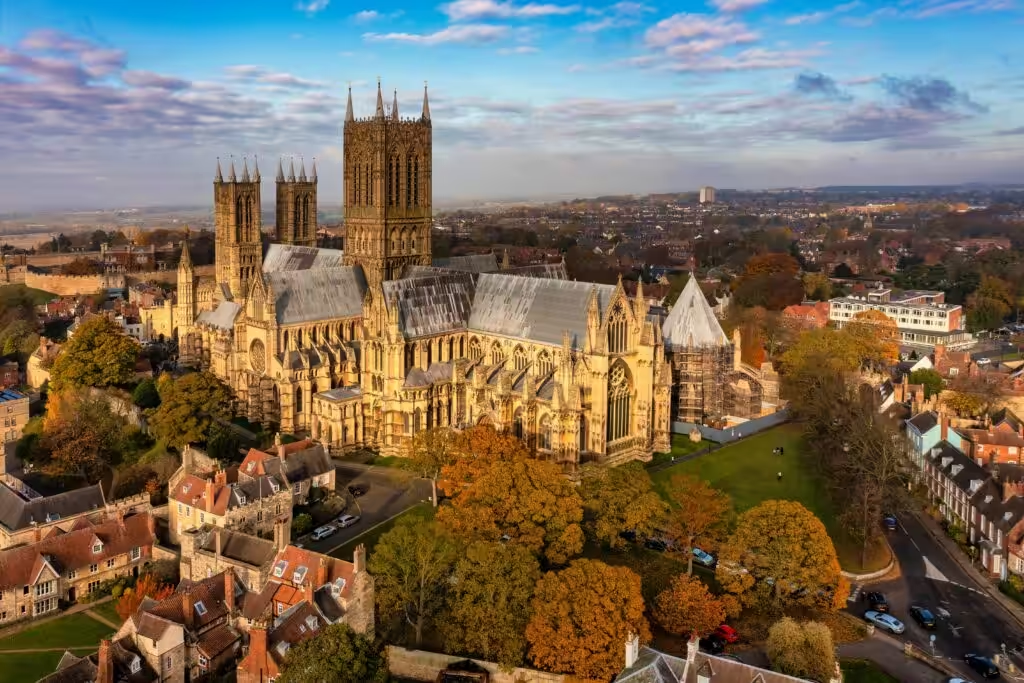
Set beside the River Witham, Lincoln’s skyline is dominated by Lincoln Cathedral and Lincoln Castle. Work on the cathedral began in 1072, and the building may be familiar to film fans from The Young Victoria and The Da Vinci Code. The castle is home to Lincoln Cathedral’s original 1215 Magna Carta and 1217 Charter of the Forest, two exceptionally important documents in British history.
Wandering through the cobbled streets of Lincoln’s historic Cathedral Quarter, it is captivating to see medieval architecture still alive and impressive in the modern age. The castle walls offer panoramic views of the city and surrounding countryside, while nearby Steep Hill leads down into the city centre, where historic buildings, independent boutiques and traditional tea rooms sit alongside modern shops and cafés.
2. Louth
For a taste of quintessential Lincolnshire charm, look no further than the market town of Louth, where the bustling market square hosts stalls selling local produce, crafts and antiques. The town’s heritage includes St James’ Church and its soaring spire, while an abundance of Georgian architecture adds to Louth’s timeless appeal. Louth Museum is a fascinating stop for visitors wanting to delve deeper into the town’s history, with artefacts and stories tracing its urban and agricultural past alongside local rocks and fossils. Looking for somewhere to stay near Louth? Discover Lakeside Park in North Somercotes.
3. Stamford
With its well-preserved Georgian architecture, Stamford is often referred to as the ‘finest stone town in England’, and it certainly offers a captivating glimpse into the past. Browne’s Hospital, a medieval almshouse, was founded in 1485 by a wealthy wool merchant who wanted to provide a home and a house of prayer for the poor – and, to this day, it provides accommodation for those in need. It’s an impressive building, worth a visit. The town’s association with TV and films adds charm for lovers of the small and silver screens – Middlemarch, Pride and Prejudice and The Da Vinci Code were all part-filmed here.
4. Boston
The Boston Stump – the historic St Botolph’s Church – dominates the skyline of the maritime town of Boston. Around the market square, cobbled streets and a mix of Tudor and Georgian architecture lend the town a timeless charm. Its rich maritime heritage is explored at Boston Guildhall, which offers insights into the town’s trading past and its links with the Pilgrim Fathers, who attempted to leave England from the area before later sailing to the New World aboard the Mayflower in 1620.
5. Grantham
Grantham and its surrounding area have strong links with two influential figures: scientist Sir Isaac Newton, who was born at Woolsthorpe-by-Colsterworth, and Margaret Thatcher, who was born in Grantham and served as Prime Minister from 1979 to 1990. Visitors can explore Woolsthorpe Manor, Newton’s family home and the place where he developed ideas about gravity and light, and see the famous apple tree associated with his work. Grantham’s historic centre, with its medieval buildings and traditional market, also provides an appealing backdrop for a stroll.
6. Gainsborough
Set on the banks of the River Trent, Gainsborough is home to Gainsborough Old Hall, one of England’s best-preserved medieval manor houses. Traditional shops and pubs in the town centre offer a glimpse into its past, while Marshall’s Yard recalls Gainsborough’s industrial heritage. Around 200 years ago, the site formed part of an ironworks where steam engines, threshing machines and other agricultural equipment were made and exported around the world. It has since been transformed into a shopping centre, with elements of the original architecture retained. The riverside setting also invites visitors to enjoy a leisurely walk beside the Trent.
7. Wragby
Known as the place “where five roads meet”, Wragby is a historic market town with roots stretching back to the Domesday Book. Situated on the edge of the Lincolnshire Wolds, the town has long been an important crossroads for travellers and traders. Visitors can explore its attractive town centre, historic buildings and nearby churches, while learning about the area’s rich heritage through local exhibitions and museums. Surrounded by beautiful countryside, Wragby also makes an excellent base for discovering the rolling landscapes, walking routes and charming villages of the Lincolnshire Wolds.
8. Caistor
Perched on the northern edge of the Lincolnshire Wolds, Caistor is one of the county’s most historic market towns. Once a Roman fortified settlement, traces of its ancient past remain, including sections of the fourth-century town wall. Its picturesque market place is surrounded by Georgian and Victorian buildings, independent shops and traditional cafés. Popular with walkers because the Viking Way passes through the town, Caistor combines fascinating heritage with attractive countryside views. Nearby Nettleton Park offers a peaceful base for exploring Caistor and the Lincolnshire Wolds.
9. Bourne
Bourne brings together medieval heritage and a remarkable motor-racing legacy. The town was home to a 12th-century Augustinian abbey, with the surviving Church of St Peter and St Paul still known as Bourne Abbey, while Wellhead Fields mark the area once occupied by Bourne Castle. At Bourne Heritage Centre, housed in the historic Baldock’s Mill, displays explore the town’s past, local industries and notable residents. Motorsport enthusiasts can also discover Bourne’s links with racing driver Raymond Mays and the ERA and BRM teams: Formula One World Championship-winning BRM cars were developed in the town. Together with Bourne’s historic churches, listed buildings and green spaces, these stories make it a rewarding stop for visitors exploring Lincolnshire heritage.
10. Horncastle
Often referred to as the antiques capital of Lincolnshire, Horncastle is a characterful market town rich in history and independent charm. Situated where the River Bain and River Waring meet, the town developed on the site of a Roman fort and settlement, and sections of its Roman wall remain visible today. Horncastle’s annual horse fair began in the medieval period and became one of the largest in the world before the final traditional fair was held in 1948. Wander through the town to discover antique shops, historic buildings, traditional tea rooms and hidden courtyards, making it one of Lincolnshire’s most rewarding heritage destinations.
From the bustle of Lincoln to smaller rural discoveries, Lincolnshire heritage offers a diverse range of experiences spanning many periods of history. Museums, historic buildings and distinctive architecture can be found across the county, giving visitors plenty of ways to explore its past. When planning a day out from a Don Amott park, use Nettleton Park or Lakeside Park as your base and discover Lincolnshire’s blend of rural charm, market-town character and historic city sights.

Sign up to our monthly emails for offers and events details.
Need a hand? We're ready to help from 9am, 7 days a week
Opening Times

Don Amott Parks
Lakeside Park, Warren Rd, North Somercotes, Louth, United Kingdom, LN11 7RB (Reg office)
Registered in England No. 00768435, Lakeside Park, North Somercotes, Nr Louth, Lincolnshire, LN11 7RB (Reg Office).
Designed and produced by Kal Group.